Respiratory Support
This page highlights my approach to supporting clients with respiratory needs, including advocacy for client autonomy, clinical experience across diverse settings, assessment and evaluation methods, and evidence-based intervention strategies. It also connects communication therapy to respiratory support, demonstrating how speech, swallowing, and breath coordination intersect in treatment planning.
"Coordinating care and obtaining input from the respiratory therapist is critical for monitoring respiratory support status, and ventilatory support. As an SLP, I will advocate for the patient to ensure that communication access is maintained despite respiratory limitations, collaborating with the medical team to determine appropriate respiratory strategies (e.i., EMST, IMST, The Breather), speaking valve candidacy, or alternative communication methods."
~ Alexa Noseworthy ~

Advocacy
Interprofessional communication is essential during respiratory support training. Coordinating care and obtaining input from the respiratory therapist is critical for monitoring respiratory support status and ventilatory support. As an SLP, advocating for the patient also includes ensuring that communication access is maintained despite respiratory limitations, while collaborating with the medical team to determine appropriate respiratory strategies (e.g., EMST, IMST, The Breather), speaking valve candidacy, or alternative communication methods.
Additionally, I aim to advocate for safe swallowing and airway protection, monitoring how respiratory status may impact swallow–breath coordination and recommending appropriate diet modifications, compensatory strategies, or instrumental assessments when indicated.
Ongoing collaboration with physicians, nurses, respiratory therapists, and caregivers helps ensure that respiratory support, communication needs, and swallowing safety are addressed holistically to optimize patient outcomes.
My Experience

Summary
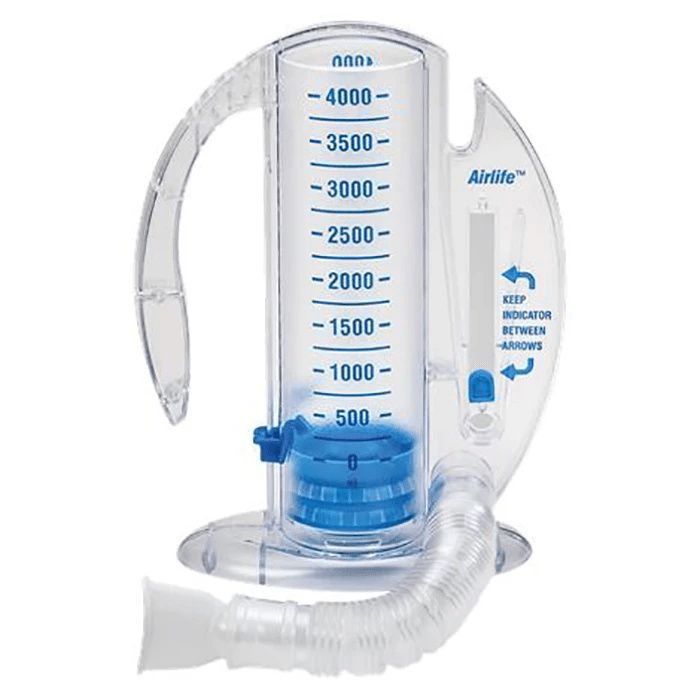
I have shadowed, received training, and provided respiratory support including utilizing a EMST device, incentive spirometer, increased wait time during feedings, coordinated breathing, and more.
Evaluations
Types of Evaluations Preformed: Incentive Spirometer, Pratt, Maximum Phonation Time (MPT), and connected speech tasks
I evaluated respiratory support for swallowing and speech using measures such as incentive spirometry, Pratt assessment, Maximum Phonation Time (MPT), and connected speech tasks to determine the patient’s respiratory capacity and breath coordination. During these evaluations, I analyzed breath group length, vocal quality changes, shortness of breath, and signs of respiratory fatigue across sustained phonation and functional speaking tasks. These results were considered when determining treatment.

Treatment
Types of Treatment Preformed: wait time, breathe support, MPT, and incentive spirometer
I have provided and supported respiratory-focused interventions, including increasing wait times during feeding to support safe swallow and breath coordination, I incorporate Maximum Phonation Time (MPT) tasks and incentive spirometer exercises to improve respiratory capacity, breath control, and phonatory efficiency.
During treatment, I focus on coordinating inhalation and exhalation with functional activities, monitoring for fatigue, shortness of breath, and task endurance while adapting strategies to meet each patient’s individual needs.